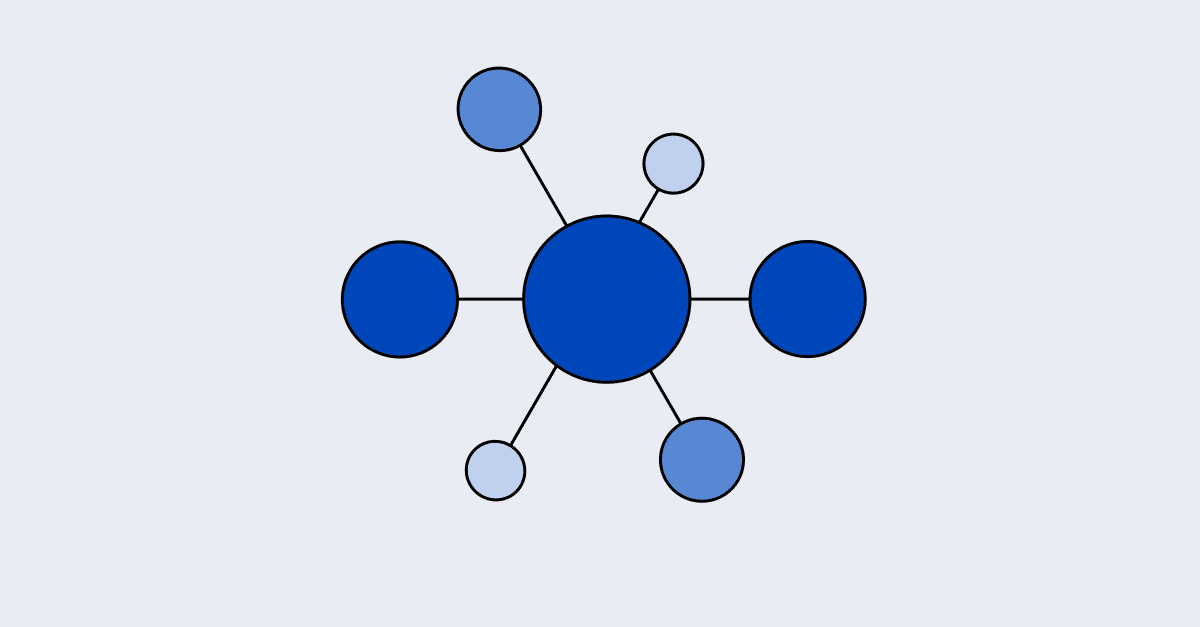
A cross-cloud semantic layer gives you one consistent, governed view of your data no matter which cloud warehouses or lakehouses it lives in, so you don’t have to duplicate metrics logic across Snowflake, Databricks, BigQuery, and Redshift. It’s how enterprises unify multi-warehouse data for BI and AI without moving the data itself, cutting both cost and risk. Here’s what a recent TDWI panel with John Korsak, Enterprise Solutions Engineer from Cube, and Fern Halper, TDWI VP Research, Senior Research Director for Advanced Analytics, had to say about why this matters now, and how a semantic layer solves it.
The Growing Need for Cross-Cloud Data Unification
According to TDWI’s 2025 survey, over 40% of organizations now use cloud data warehouses, and nearly 30% rely on cloud data lakes or lakehouses. As enterprises spread data across multiple platforms, data warehouses, data lakes, and SaaS applications, helping ensure seamless access and consistent governance becomes harder. Integrating data across these hybrid environments remains one of the top challenges, alongside rising cloud costs.
How a Semantic Layer Bridges the Gap
A semantic layer sits between your raw data and the tools and people who use it, translating technical schemas into a shared business vocabulary that stays consistent no matter where the underlying data lives.
A Unified Business View of Data
By defining metrics, dimensions, and hierarchies once, a semantic layer ensures every BI tool and every team works from the same numbers, whether they’re in Tableau, Power BI, Excel, or a natural language interface, and that all users rely on the same governed definitions for KPIs and metrics.
Cost and Performance Optimization
Cross-cloud querying comes with a real cost. Querying large-scale cloud data can quickly become expensive, especially when the same data gets scanned repeatedly across disconnected tools. A semantic layer with built-in query optimization and caching reduces redundant computation and keeps cloud spend in check.
Enabling AI and Generative BI
Large Language Models (LLMs) are transforming how users interact with data, but without structured business definitions, they can generate incorrect or inconsistent results. AI-driven queries are wrong 80% of the time when they run directly against raw warehouse data without a semantic layer in front of them. As Fern Halper, VP of Research and Senior Research Director for Advanced Analytics at TDWI, put it: “Organizations need a unified, scalable view of their data for AI. Without proper data governance and a semantic layer, AI applications struggle to deliver accurate and trustworthy insights.”
The Future of Data Strategy: Governance Meets Agility
As data environments grow more distributed, governance and agility are not opposing forces. They must coexist. A cross-cloud semantic layer is what makes that possible: it gives enterprises the flexibility to keep data where it lives while still enforcing one governed, trustworthy definition of the business.
Why AtScale Is the Best Choice for an Enterprise Semantic Layer
- Universal Semantic Layer: Works consistently across Snowflake, Databricks, Google BigQuery, and AWS Redshift, so you get one governed model no matter how many clouds your data spans.
- Optimized Query Performance: Built-in aggregate awareness and caching reduce compute cost and speed up queries across cloud platforms.
- AI & Natural Language Query (NLQ) Enablement: A governed semantic layer gives AI agents and NLQ tools the business context they need to return accurate answers instead of guessing against raw schemas.
- Live Data Access Without Movement: AtScale eliminates the need for data duplication or ETL-heavy processes by virtualizing access to source data while enforcing governance rules in real time.
- Multi-Tool Compatibility: One semantic model feeds every BI and AI tool your teams already use.
- Granular Security and Governance: Consistent, fine-grained access controls apply across every connected cloud platform.
At AtScale, we’re committed to helping organizations navigate these challenges. If you’re looking to unify data access, enhance AI-driven analytics, and optimize costs across your cloud environments, see the AtScale semantic layer in action.
Fern Halper emphasized the importance of this, stating, “Organizations need a unified, scalable view of their data for AI. Without proper data governance and a semantic layer, AI applications struggle to deliver accurate and trustworthy insights.”
The Future of Data Strategy: Governance Meets Agility
Our discussion reinforced that governance and agility are not opposing forces—they must coexist. A semantic layer enables organizations to balance control with flexibility, empowering business users with self-service analytics while maintaining data integrity. As enterprises continue their AI and multi-cloud journeys, investing in a semantic layer will be key to breaking down data silos, improving performance, and ensuring that AI-driven insights are trusted.
Why AtScale is the Best Choice for an Enterprise Semantic Layer
AtScale provides a robust semantic layer solution that helps organizations streamline data access, enhance governance, and improve AI-driven decision-making. Here’s what sets AtScale apart:
- Universal Semantic Layer: AtScale provides a unified semantic layer that works across all major cloud platforms, ensuring compatibility with Snowflake, Databricks, Google BigQuery, AWS Redshift, and more.
- Optimized Query Performance: With intelligent query acceleration and aggregate awareness, AtScale ensures that users receive fast, efficient query responses without overloading cloud resources.
- AI & Natural Language Query (NLQ) Enablement: By bridging AI models with governed business definitions, AtScale enables accurate and context-aware AI-driven insights, reducing hallucinations and inconsistencies in LLM outputs.
- Live Data Access Without Movement: AtScale eliminates the need for data duplication or ETL-heavy processes by virtualizing access to source data while enforcing governance rules in real time.
- Multi-Tool Compatibility: Whether using Tableau, Power BI, Excel, or custom AI applications, AtScale seamlessly integrates with all BI and AI consumption tools, ensuring a consistent data experience across teams.
- Granular Security and Governance: AtScale enforces strict row- and column-level security while centralizing governance policies, making compliance and data protection seamless across an enterprise.
At AtScale, we’re committed to helping organizations navigate these challenges. If you’re looking to unify data access, enhance AI-driven analytics, and optimize costs across your cloud environments, see the AtScale semantic layer in action.
Cross-cloud data federation lets you query and analyze data that lives across multiple cloud platforms, like Snowflake, Databricks, BigQuery, and Redshift, as if it were in one place. You get a unified view without physically moving or duplicating the data.
A semantic layer defines metrics, dimensions, and business logic once, then applies that same definition everywhere your data lives. It sits above the underlying warehouses so every AI or BI tool queries consistent, governed data no matter which cloud it’s stored in.
Most enterprises now run data across more than one cloud platform. Over 40% use cloud data warehouses and nearly 30% use cloud data lakes or lakehouses, according to TDWI’s 2025 survey. Without unification, teams end up with inconsistent metrics, duplicated logic, and higher cloud costs.
AtScale’s Universal Semantic Layer connects directly to each of these platforms and applies one consistent business model across all of them. That means the same metric definitions, security rules, and governance apply regardless of which cloud a given query touches.
By using aggregate awareness and caching, a semantic layer avoids scanning the same large datasets over and over. That cuts down on redundant compute across cloud platforms, which lowers the overall cost of running BI and AI workloads at scale.
Last Updated August 17, 2026